

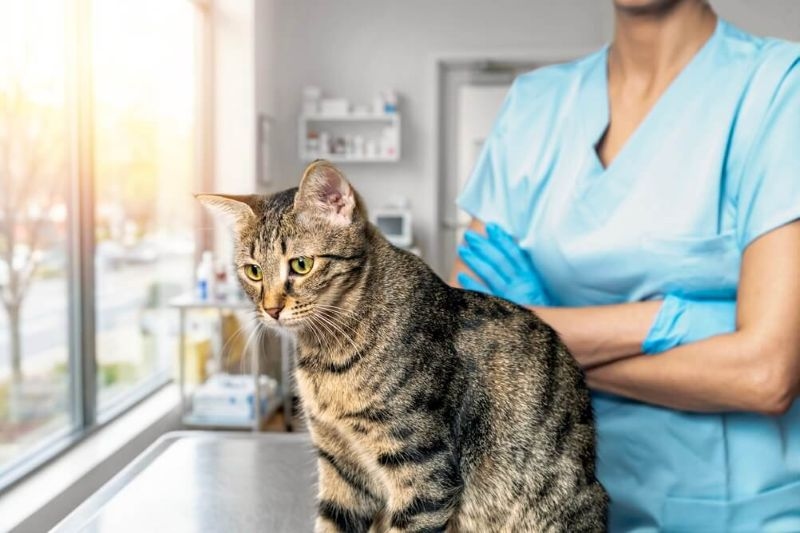
Living with Megacolon in Cats is a difficult challenge for both pets and their owners. This condition often starts with simple Cat Constipation that slowly gets worse over time. When a feline cannot defecate easily, the large intestine stretches out and loses its strength. Understanding Feline Megacolon is the first step toward finding a solution that works. Many owners ask why their cat is constipated when they see their pet struggling in the litter box. Addressing this Cat Digestive Problem early can prevent permanent damage to the colon.
The signs of this condition are usually easy to spot if a person watches their pet closely. A cat might visit the litter box many times without leaving anything behind. This physical struggle is a clear indicator that the muscles in the digestive tract are not working as they should.
Watching for these signs helps a vet make a fast diagnosis. If the problem continues for too long, the waste inside becomes so dry that it gets stuck like a rock.
Explore More Tips: What are Heart Murmurs in Cats? Causes, Symptoms, and Care
There are many reasons why a pet might develop Feline Megacolon. Sometimes the nerves that control the colon stop working properly for no known reason. In other cases, an old injury to the hips can make the pelvic opening too narrow for waste to pass through easily.
What this really means is that the colon becomes a storage bag that can no longer push things out. The walls of the intestine become thin and weak after being stretched for many weeks or months.
It is very common for pet owners to wonder why their cat is constipated on a regular basis. Low water intake is a frequent culprit because cats naturally have a low thirst drive. Diets that are too low in fiber can also lead to a sluggish digestive system that does not move waste along effectively.
When a cat holds in their waste because they are stressed or do not like their litter, the colon absorbs more water from the stool. This makes the waste harder and much more difficult to pass later on.
Medical professionals have several ways to provide Constipated Cat Treatment depending on the severity of the case. Mild cases might only need a change in diet or some extra water added to the food bowl. More serious situations require a trip to the animal hospital for specialized help and fluids.
Using these methods helps clear the blockage so the cat feels relief. It is important to follow the vet's advice exactly to keep the problem from coming back next week.
A long term Cat Digestive Problem can change the way a pet lives their daily life. Constant discomfort makes a cat less active and sometimes even grumpy or shy. Keeping a journal of litter box habits can help a doctor see patterns in the pet's health over several months.
Managing a digestive issue requires patience and consistency from the whole family. Small changes in the daily routine often lead to the biggest improvements in how a cat feels and acts.
If the colon is damaged beyond repair, a vet might suggest more advanced options for Megacolon in Cats. Sometimes medicine is no longer enough to keep the waste moving through the system. At this point, the health of the cat depends on more direct intervention to ensure they can live without pain.
Surgery is usually the last resort for pets who do not respond to any other therapy. Most cats recover well from this procedure and go on to lead very happy and comfortable lives afterward.
In Case You Missed It: Why Is My Cat Panting? A Concerned Owner’s Complete Guide
Prevention is always easier than trying to fix a major health crisis like Feline Megacolon. Ensuring that a pet has many sources of clean water is one of the best ways to keep their system moving. Some owners use water fountains because the sound of moving water encourages cats to drink more often.
A healthy weight is important because extra fat can put pressure on the digestive organs. Regular exercise also helps stimulate the muscles that move waste through the intestines.
Fiber acts like a broom for the digestive tract, which is why it is vital for Feline Megacolon care. There are two types of fiber that work in different ways to help a pet. One type adds bulk to the stool, while the other type helps the stool hold onto more water so it stays soft.
Finding the right balance of fiber is a process of trial and error. Too much fiber can sometimes make the problem worse, so it is best to start with small amounts and watch for results.
Knowing when a situation has become an emergency is vital for every pet owner. If a cat has not used the litter box in more than two days, it is time to call a professional. Waiting too long can lead to toxins building up in the blood, which makes the cat very sick.
A quick response can prevent the need for expensive surgeries later on. Most vets would rather see a cat for a minor issue than wait until a major blockage has occurred.
Explore More Tips: Spot Early Signs and Get Relief Fast from Dog Ear Infections
Managing Megacolon In Cats requires a dedicated approach to nutrition and medical care. By understanding Feline Megacolon and using the right Constipated Cat Treatment, owners can help their pets. This Cat Digestive Problem is manageable with the right tools. Contact your local veterinarian to discuss a health plan for your cat today.
While the damage to the colon is often permanent, the symptoms can be managed so well that the cat lives a normal life. Surgery is the only way to physically remove the problematic part of the intestine.
No, many cats experience occasional constipation due to dehydration or hairballs. However, if the problem keeps happening, it can eventually lead to the development of a megacolon.
You can add more water to their food or try small amounts of plain canned pumpkin. Always talk to a veterinarian before giving any over-the-counter human medicines to a pet.
A sudden change in diet can upset the digestive system and lead to a temporary blockage. It is best to mix old and new food slowly over several days to avoid this issue.
This content was created by AI