

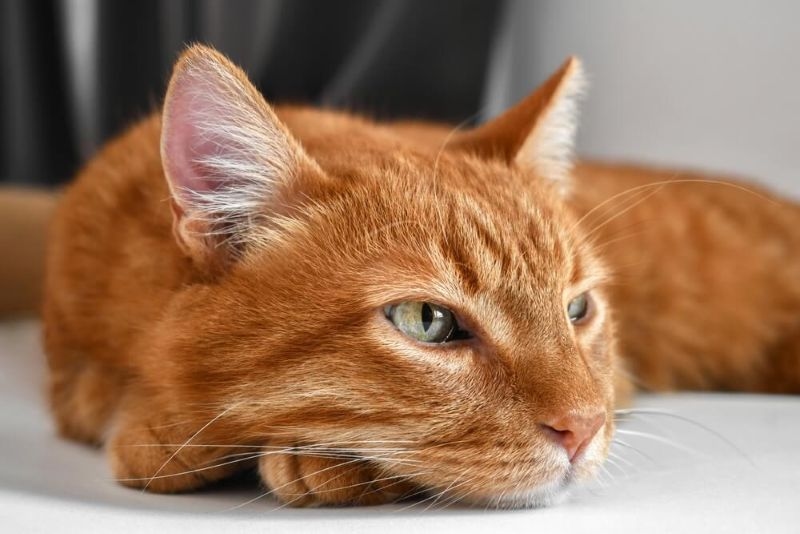
It’s always unsettling to hear your cat has a heart problem. Usually, people find out about heart issues at a routine vet checkup, when the vet picks up on something odd—a strange sound in the heartbeat. Heart murmurs in cats come up a lot. The name sounds scary, but it doesn’t always mean your cat’s in real trouble.
Some murmurs are mild or just passing through, while others point to something more serious under the surface. Let's see the definition and causes of a heart murmur in cats and the cat heart disease symptoms to look for so that you can keep your cat healthy.
A cat's heart murmur can be best described as an extra noise that your vet hears when they listen to your cat's heart with a stethoscope. In a normal heart, the rhythm is very even and clear. With a murmur, blood isn’t flowing smoothly—it rushes or swishes, and that creates a soft sound that stands out when your vet uses a stethoscope.
Having a murmur doesn’t mean your cat has a disease. It just means the blood’s moving in a way that’s not completely normal. Some cats with murmurs are totally fine and need no treatment. Others might have an underlying heart condition that needs attention.
Recommended Blog: Prevent Complications of the Cat Respiratory Infections Now
There isn’t just one cause for heart murmurs in cats. Some pop up for simple reasons and aren’t dangerous at all.
Then there’s heart muscle disease, called feline cardiomyopathy. This changes how the heart works and makes it harder for blood to move smoothly. That’s one of the big reasons vets take murmurs seriously.
Vets grade heart murmurs by how loud they are, from one to six. The quiet ones are tough to pick up, while the loudest are obvious right away. There’s also the timing—some murmurs happen when the heart contracts, others when it relaxes.
Knowing the grade and timing helps vets figure out if your cat needs more tests and how worried you should be.
A lot of cats with murmurs seem perfectly normal, especially if the murmur’s mild. But if there’s heart disease behind it, cat heart disease symptoms can show up over time. Keep an eye out for low energy or your cat losing interest in play. Maybe they’re sleeping more or just seem tired. Breathing changes are another big red flag—breathing fast, taking shallow breaths, or even breathing with an open mouth is a sign something’s wrong.
Loss of appetite and weight loss can happen, too. In the worst cases, cats can faint or suddenly collapse. That means the heart just isn’t pumping well enough. The tricky part is that cats are great at hiding when they don’t feel good. That’s why regular vet visits matter so much.
Once your vet hears a murmur, they’ll usually want to dig deeper to find out why. Blood tests help check for anemia, infections, or thyroid problems. They’ll probably check your cat’s blood pressure to see if that’s part of the problem.
X-rays show if the heart’s enlarged or if there’s fluid in the lungs. The most telling test is an echocardiogram—that’s an ultrasound of the heart. It gives vets a clear look at how the heart’s built and how the blood moves through it.
This test is especially useful for spotting heart muscle problems like cardiomyopathy. It really helps vets figure out what’s going on and how to help your cat.
You May Also Like: Why Is My Cat Panting? A Concerned Owner’s Complete Guide
Cat cardiomyopathy shows up a lot in cats—it’s one of their most common heart problems. It’s also a big reason vets hear heart murmurs during checkups. Basically, the heart muscle stops working the way it should, so blood doesn’t move as easily.
The main type is Hypertrophic cardiomyopathy. The walls of the heart get thick and stiff, and leave less room for blood to flow. That’s usually when a murmur pops up. There are other types too, like restrictive and dilated cardiomyopathy. These hit the heart harder over time, and if they’re left unchecked, the heart can start to fail.
Catching cardiomyopathy early really does help. It gives cats a better shot at feeling good and living longer.
Treatment depends on why the murmur is there. Some cats don’t need any medicine—just regular checkups. If the heart’s the troublemaker, your vet might prescribe meds to help it pump stronger or stop fluid from building up. Some cats also need something for blood pressure or to keep blood clots away.
When a murmur comes from something like anemia or another illness, dealing with that issue often makes the murmur disappear.
Vets don’t do one-size-fits-all. They’ll put together a plan that fits your cat’s age, health, and the specific problem.
Life at home matters, too. Cats with heart murmurs do better in a calm, steady environment. Stress just makes things worse, so try to keep their routine steady. Sometimes diet needs a tweak—maybe special food for the heart, or just keeping their weight in check. Always check with your vet before changing what your cat eats.
Don’t skip follow-up visits. The vet keeps tabs on the murmur and checks for any changes. At home, watch how your cat breathes, eats, and acts. If something feels off, don’t wait. With the right care, plenty of cats with murmurs go on living happy, normal lives.
When a cat has an unexpected episode of respiratory distress, collapse, or significant weakness, urgent veterinary care is necessary. These are signs that things might be getting worse with the heart.
Don’t try to wait it out—quick action can save your cat’s life.
Read Next: Valuable Cat Grooming for Long Hair Tips to Reduce Shedding
Heart murmurs in cats aren’t rare, and they’re not always a big deal. A murmur is just a clue that something might need a closer look. When you know what to watch for and follow your vet’s advice, you give your cat the best chance at a healthy life.
Early diagnosis, the right treatment, and regular checkups really do make a difference. Lots of cats with murmurs stay active and content for years.
No, the murmur itself doesn’t hurt. But if your cat has underlying heart disease, that can cause discomfort.
Yes, if stress, fever, or anemia causes the murmur, it can go away once the underlying issue is fixed.
Vets usually use an echocardiogram and a few other heart tests to diagnose it.
No, some cats just need monitoring, while others need medication. It really depends on the cause.
This content was created by AI