

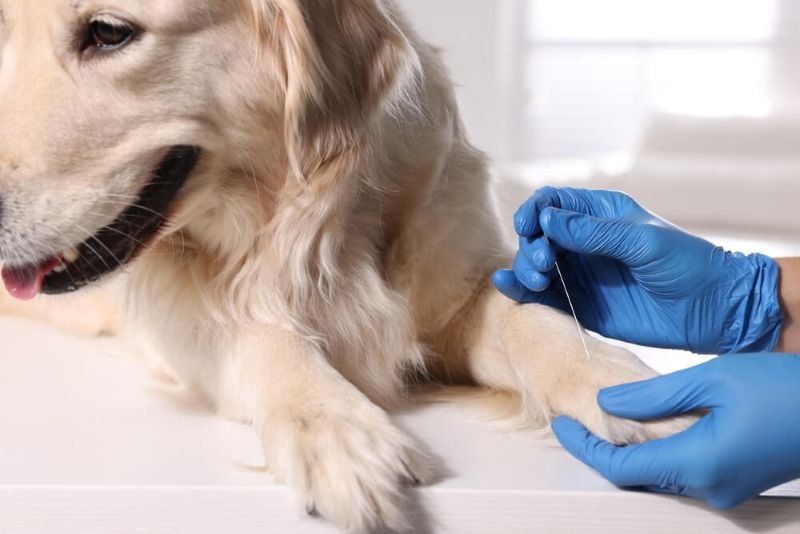
Pets can’t really tell us what hurts, can they? A dog just starts lagging behind on walks, or a cat stops jumping up to its favorite spot. You sense something’s off, but figuring it out isn’t so simple. That’s why alternative therapies like acupuncture for pets are popping up across the country.
And it’s not just the latest fad. Plenty of vets now mix traditional medicine with holistic treatments to help pets feel better and recover more quickly. Done right, acupuncture can manage pain, boost healing, and lift overall well-being. But, let’s be honest—most pet owners have the same questions. Is it actually safe? Does this stuff really help?
Let’s dig into what veterinary acupuncture is, how it works, and what you need to know if you’re thinking about it for your pet.
You’ve probably heard of acupuncture for humans. It’s pretty similar for animals, but the approach fits their anatomy and quirks.
A trained vet uses tiny, thin needles and inserts them into specific points on your pet’s body. These spots are chosen because they’re believed to nudge nerves, muscles, or connective tissue.
The goal? Give your pet’s body a little push to heal itself.
Sessions last about 15 to 30 minutes. Most pets tolerate it well—and some relax so much, they nod off during treatment.
Acupuncture doesn’t just dull pain. It sparks a chain of reactions inside the body:
That’s why acupuncture isn’t a substitute for standard care—it’s meant to be used alongside traditional treatments.
Not every issue calls for acupuncture. But it can make a real difference for certain conditions.
This is probably the top reason pet owners look into acupuncture.
Conditions like arthritis, hip dysplasia, or stiff joints respond well. Dogs that have trouble with stairs or walks start showing improvement after a few sessions.
Cats benefit too—even though they hide pain, acupuncture can help them move more comfortably.
Vets turn to acupuncture for things like:
It’s not a magic fix. But it can help, especially with medication or physical therapy.
After surgery, pets face pain and slow healing. Acupuncture gives the body an extra nudge:
Think of it as a gentle boost in the right direction.
Suggested Reading: Spot Early Signs and Get Relief Fast from Dog Ear Infections
Most people start out skeptical—who wouldn’t? Needles and pets don’t seem like a natural pair.
But the changes are hard to ignore.
With dogs, effects can be subtle at first. You might see:
Those small shifts add up over time. Watching your pet move comfortably again? That matters.
This surprises people. Acupuncture can lift your pet’s mood. Pets living with pain often seem cranky or withdrawn. But when pain fades, their personality shines through again.
They play more. They seek you out. They feel like themselves.
So, is acupuncture actually safe for pets? Yes, as long as it’s done by someone qualified.
This is non-negotiable.
Always work with a licensed veterinarian trained in veterinary acupuncture. They understand animal anatomy, medical history, and how to adjust treatment safely.
Avoid anyone offering acupuncture without proper veterinary credentials.
While generally safe, acupuncture isn’t ideal in every situation.
It may not be recommended for:
Your vet will guide you here. If they suggest waiting or avoiding it, there’s usually a good reason.
Don't Miss: Prevent Complications of the Cat Respiratory Infections Now
Wondering if acupuncture should replace regular vet care? The answer is simple—it shouldn’t.
It works best as part of a broader treatment plan.
Acupuncture is part of a holistic treatment for pets. It supports, rather than replaces, conventional medicine.
Here’s a simple comparison:
| Aspect | Pet Acupuncture | Traditional Treatment |
|---|---|---|
| Approach | Stimulates natural healing | Targets specific symptoms directly |
| Use case | Chronic pain, recovery, support | Acute illness, infections, emergencies |
| Side effects | Minimal when done properly | May include medication side effects |
| Speed of results | Gradual improvement | Often faster symptom relief |
Both approaches have value. Together, they often provide better outcomes.
Many vets recommend combining acupuncture with:
This balanced approach tends to improve comfort without relying heavily on one method alone.
If you’re considering acupuncture for your pet, it helps to know what the experience looks like.
No complicated prep needed. Just make sure your pet is calm, not starving or stuffed, and used to the clinic if possible. Some places let your pet settle in before things start.
Most pets come out relaxed—maybe even sleepy. You might notice peacefulness right away or gradual improvement over the days that follow. Staying consistent helps; one session is good, but several make a bigger difference.
Also Read: Why Is My Cat Panting? A Concerned Owner’s Complete Guide
Acupuncture isn’t a miracle cure, and it’s not meant to replace standard veterinary care. But it offers a gentle way to help animals feel better and recover more fully.
From easing sore joints to speeding up healing, pet acupuncture has become a trusted tool in veterinary clinics across the U.S. With the right professional, it’s safe and often surprisingly effective.
Not really. The needles used are extremely fine, much smaller than those used for injections, so most pets barely notice them. In fact, many animals relax during the session, and some even fall asleep because the process can feel calming.
It depends on the condition being treated and how your pet responds. Some pets show improvement after just a few sessions, while chronic issues may need ongoing treatment over several weeks. Your veterinarian will usually suggest a schedule and adjust it based on progress.
No, acupuncture is generally used as a complementary therapy rather than a substitute for medication. It works alongside traditional treatments to enhance results and improve comfort. Your vet will recommend the right balance based on your dog’s health needs.
Yes, acupuncture can be just as beneficial for cats, especially for managing pain, inflammation, and mobility issues. While cats may take a bit more time to get used to the sessions, many respond very well once they feel comfortable.
This content was created by AI