

Rarity in dog breeds garners attention for distinct appearances, interesting histories, and rarity in populations. While many are acquainted with well-known family dogs, several unique canine species are unseen. Explore some of the rarest dogs with this breed guide that provides an inside look at their personalities and ownership needs.
Whether seeking to learn about rarer breeds or adopt a one-of-a-kind companion, this guide will help you choose wisely.
Not all dogs you meet in the dog park are familiar breeds; some have histories that span hundreds of years and are uncommon dogs due to jobs they were historically created for or regions they inhabit. Some of these fascinating, rare dogs are:
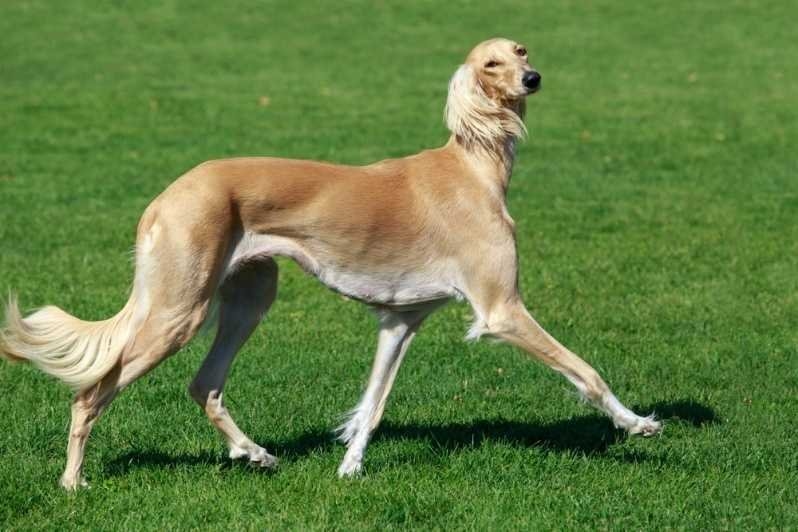
This sighthound looks stunning with its sleek, thin body, capable of achieving blistering speed; the Azawakhs, a species from West Africa, are originally bred for keeping livestock safe and hunting in the desert. Some distinctive breeds have appeared over the years, and this one is famed for its familial friendliness and quietness with people. The household friends will love the company, but the new company might find the Azawakh reserved.
This breed guide suggests owners provide regular exercise for their dog, implement training from a young age, and offer patient companionship. Dog adoption enthusiasts should note this canine is active and loves to run.
The Norwegian Lundehund possesses many distinct physical traits; the canine has six toes on each paw, and its joints are so flexible that it can arch its head all the way back over its spine, enabling it to scale tall cliff faces and catch puffins. This is one of the unique breeds that requires an enthusiastic owner with an appreciation for its high energy levels.
This breed guide suggests regular intake of a quality diet; owners should also understand that many rare breeds are vulnerable to common health problems, and dog adoption organizations will alert owners to such necessities.
The otterhound possesses a thick, shaggy coat and is best known as one of the rarer dog breeds due to its impeccable swimming skills and nose, developed when it originally hunted otters in water. These uncommon canines are warm around families but still require high levels of exercise and daily stimulation.
Their waterproof coat can tangle at the smallest notice and requires extensive brushing, something owners should not shy away from before choosing to obtain a rare dog breed.
The Thai Ridgeback is one of the world's most uncommon dogs, for it is easily identifiable by the peculiar strand of hair that grows down the ridge of its back against the usual flow.
This species is also known for being naturally protective and intelligent; a thorough breed guide indicates this canine responds best when accompanied by confident and effective leadership and may not be ideal for first-time owners.
The curly, hair-like coat of the Lagotto Romagnolo does little to prepare people for the devoted nature of its personality; this rare breed is often sought after for its eagerness to learn and to complete tasks.
Because this is such an intelligent dog breed and requires daily mental challenges for its own well-being, it thrives in its new home after undergoing dog adoption.
The breed of the Catahoula Leopard dog makes this uncommon breed stand out from the crowd for its striking, spotted coat and vibrant colored eyes; developed for herding livestock in rough terrain and at high speeds, it's no surprise the Catahoula is a hard worker that thrives in active outdoor surroundings.
Experienced dog owners accustomed to difficult canines should consider the benefits this rare dog breed can offer.
The Mudi is an ambitious and skilled herding dog that has not found popularity beyond the borders of its home country of Hungary; its speed, sharp intellect, and eagerness to help make it ideal for agility and obedience tasks. This rare dog breed forms a strong bond with its household companions and benefits from a task to complete each day.
This breed guide advises dog owners to make sure there are no opportunities for this rare breed of dog to grow bored and under-stimulated.
The Xoloitzcuintli, also known as the Mexican Hairless Dog, is perhaps the rarest and most ancient species of domestic dog in the world and may completely lack hair or be partially furred. They are known for being calm and loyal canines, although their fragile skin cannot be exposed to harsh climates without adequate protection.
Anyone considering obtaining a Xoloitzcuintli through dog adoption should investigate the skin care it requires.
While rare dog breeds can present unique and fascinating companionship possibilities, their rarity comes with its own set of challenges. Potential owners must allot extra time to doing extensive homework on the breed since there are fewer dog trainers and vets who are adept at these kinds of breeds. A few components in availing a pet on a less common variety would include:
Taking these considerations into account will allow for a happy and successful lifelong companionship.
The attraction to rare dog breeds is based on their peculiar personalities, distinct looks, and centuries of existence. Whether someone's focus is on unique dog breeds for their intelligent minds, loyalty in behavior, or uncanny looks, research should be the first step. A detailed breed guide, along with the willingness to adopt a rare dog breed from a trusted organization, will ensure ideal companionship.
The best rare dog breeds do not have to be the most uncommon; rather, they are the species that best mesh with owners' living arrangements, habits, and devoted commitment for the whole of the canine's life.
A rare dog breed has extremely few dogs around the world and is rarely seen in many different areas. Because of small breeding populations, specific job roles, and a lack of knowledge about them, some of the most amazing dog breeds are incredibly hard to find.
Not necessarily. Some rare dog breeds are incredibly easy to look after, while others have demanding needs that require an owner with a lot of experience due to high energy levels, grooming, and specialized medical requirements. With a comprehensive guide, a dog can work out if the breed is right for you before dog adoption.
Yes, some rare dog breeds need to find homes, so some breed-specific rescues or some general shelters may re-home rare breeds, so it is worth carrying out some research for dog adoption.
It depends on your personal circumstances more than just the frequency with which a breed is kept. Some rare dog breeds will excel in energetic households, and other dog breeds will be more suited to relaxing homes; a good breed guide looks at the general nature of the breed and its health needs rather than taking their scarcity into account.
This content was created by AI