

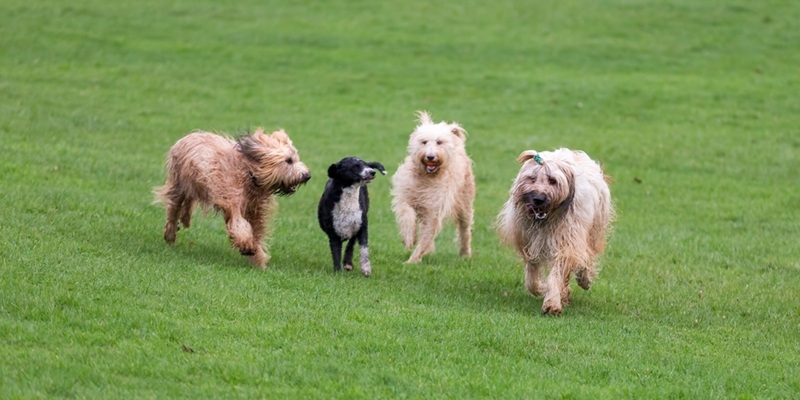
Living with a dog isn’t just about having a buddy around. It’s about sharing your space, getting into routines, and—sometimes—finding yourself way more active than you expected. Some dogs are cool with lazy afternoons on the couch. Others? Not a chance. They need action, purpose, room to sprint, and someone who’s ready to keep up.
That’s the deal with high-energy breeds. These dogs are all about moving—constantly. If you’re into running, hiking, or burning off energy yourself, they’ll be right there with you, loving every minute. But if you’re not ready for that kind of pace, they can honestly become overwhelming pretty fast. So, what sets these dogs apart? Which breeds top the list? Let’s get into it and see what it really takes to keep them happy.
Some dogs just have a stronger drive. More stamina. A built-in itch to move and do things. That’s not a flaw—it’s just in their nature.
Here’s an interesting bit—” energy” with these dogs isn’t just about their bodies. Their brains need a workout, too. Most of them were bred to stay sharp, think on their feet, and pick up on everything around them.
These are usually the reasons behind it:
If they don’t get enough action, things can go sideways pretty quickly—they start chewing things up, barking for no reason, or just getting plain anxious. That’s why knowing what you’re signing up for makes a huge difference.
Not all energetic dog breeds are wired exactly the same. Some live to run miles, others go wild for agility courses or puzzle games. Here’s a closer look at a few stars in the high-energy crowd.
Border Collies are famous for their brains. They pick up new tricks in minutes and love to focus. The flip side? They need constant challenges, both mental and physical.
A typical day might look like:
Skip these, and you’ll have a restless, frustrated dog in no time.
Don’t let the name fool you—they’re wildly popular in the U.S., and not just for being pretty. Australian Shepherds have herding in their blood. Always alert, always ready to move.
What keeps them happy:
They don’t do well with a quiet, uneventful lifestyle.
These dogs are built to go the distance. Huskies were bred as sled dogs, covering miles in icy weather—and still have the energy to play.
Why runners love them:
This is the little dog with big energy. Jack Russells are quick, alert, and nonstop playful. Pound for pound, they need more exercise than plenty of bigger breeds.
What works for them:
If you love tossing a ball or making up new tricks, they’ll match you step for step.
Don't Miss: Introducing Large Dog Breeds Known for Loyalty & Strength
If long runs, hikes, or outdoor adventures are your thing, certain dogs almost seem designed to be your sidekick. They don’t just tolerate exercise—they crave it.
Some top picks for runners and outdoor fans:
These breeds have strong legs, big lungs, and a love of moving. They won’t just stick with you—they’ll push you to keep going.
Lots of people underestimate this part. High-energy dogs usually need:
A quick stroll isn’t enough. They need real action.
Owning one of these dogs can actually be a blast—if you’re ready. The key? Build a routine that works for both you and the dog.
What a good day might look like:
Mix up physical and mental workouts to keep things balanced.
Here’s a big thing people miss: just because a dog is tired, it doesn’t mean they’ve run out of energy. Sometimes, they just need mental stimulation.
Try:
It’s incredibly helpful on busy days, too, when you can’t always fit in a long walk.
Before you get swept up by a cute face, ask yourself: Can I keep up with this kind of energy every single day?
You’re a good fit if:
These dogs fit best with people who see exercise as fun—not as a chore.
They’re tough to handle if:
A calmer breed might fit better if these sound like your lifestyle.
Also Read: Family-Friendly Good Guard Dog Breeds for Every Home
High-energy breeds can turn your life upside down—in the best way. They’re sharp, loyal, and, for the right person, endlessly rewarding. But don’t kid yourself—it takes real commitment.
You need time, patience, and a love of movement. If you’ve got all that, you’ll wind up with a companion who pushes you to stay active and makes every day a little more exciting.
Yes, they can, but it depends on the owner’s commitment. If you provide enough daily exercise and mental stimulation, even energetic dogs can adjust to smaller spaces. Without that effort, they may become restless or destructive.
Lack of activity can lead to behavioral issues like chewing, barking, or anxiety. These dogs often try to release pent-up energy in unhealthy ways when their needs aren’t met.
Not necessarily. Many active dog breeds are highly intelligent and eager to learn. The challenge comes from their need for constant engagement, which requires consistent and patient training.
Most dogs do become calmer as they age, but their basic energy level doesn’t disappear completely. They may slow down slightly, but they will still need regular exercise and stimulation.
This content was created by AI